Connect irrigation level, flow and pump-status signals
Use an existing powered cabinet to collect the water and pump signals that operators need between visits.
Select the input from the water question
| Choice | What to compare | What to check |
|---|---|---|
| Level | Tank, basin or well availability | Sensor range, reference point, mounting and compatible input |
| Flow or pressure | Water delivery or a defined distribution condition | Pipe/channel installation and the actual transmitter output |
| Pump status | A documented run, fault or meter value | Approved read-only connection, state meaning and local protection |
Useful for this connection
Choose level, flow or status first
Use the measurement that answers the actual water question.
Check a pump-panel interface
Keep control and protection separate from monitoring.
Equipment options for this application
Representative product-family photos. View specifications on sungeneiot.com; the quotation identifies the selected model.
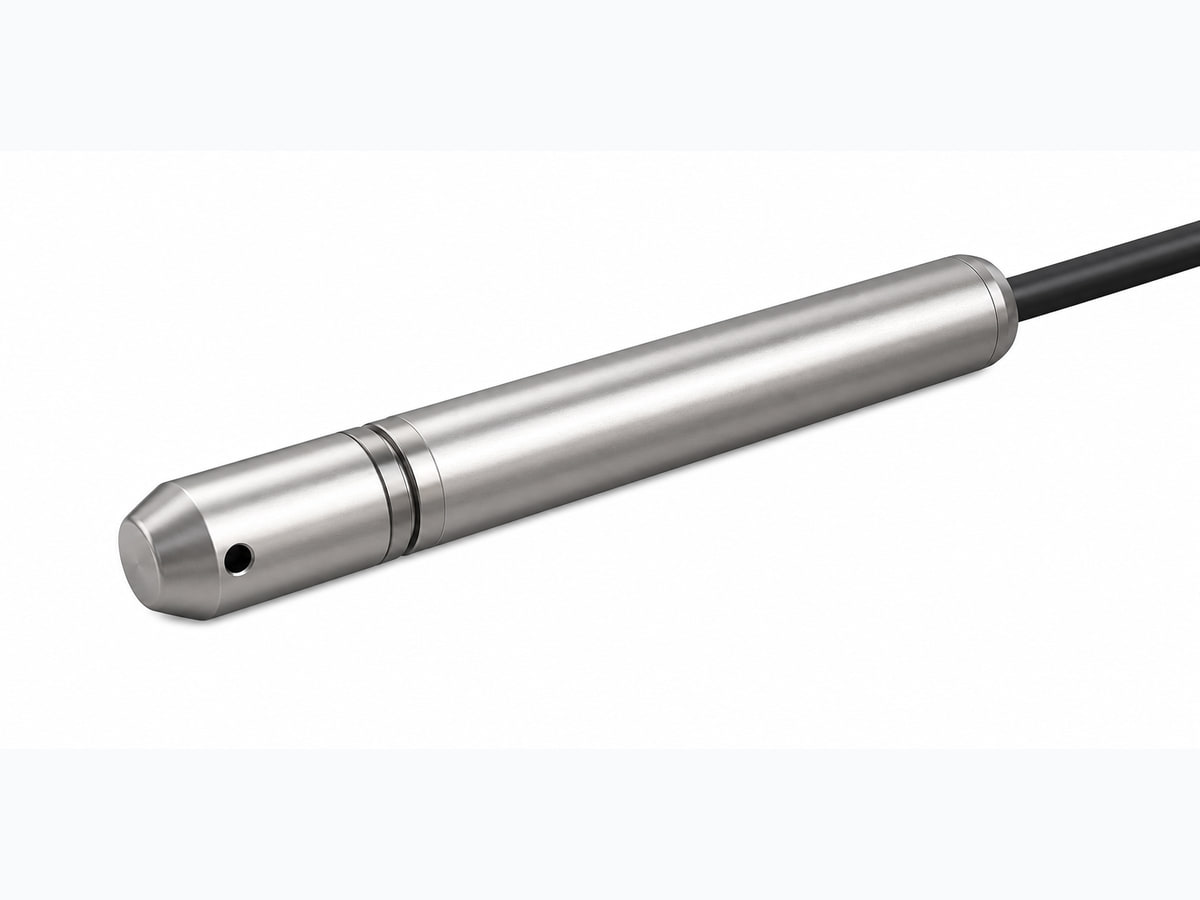
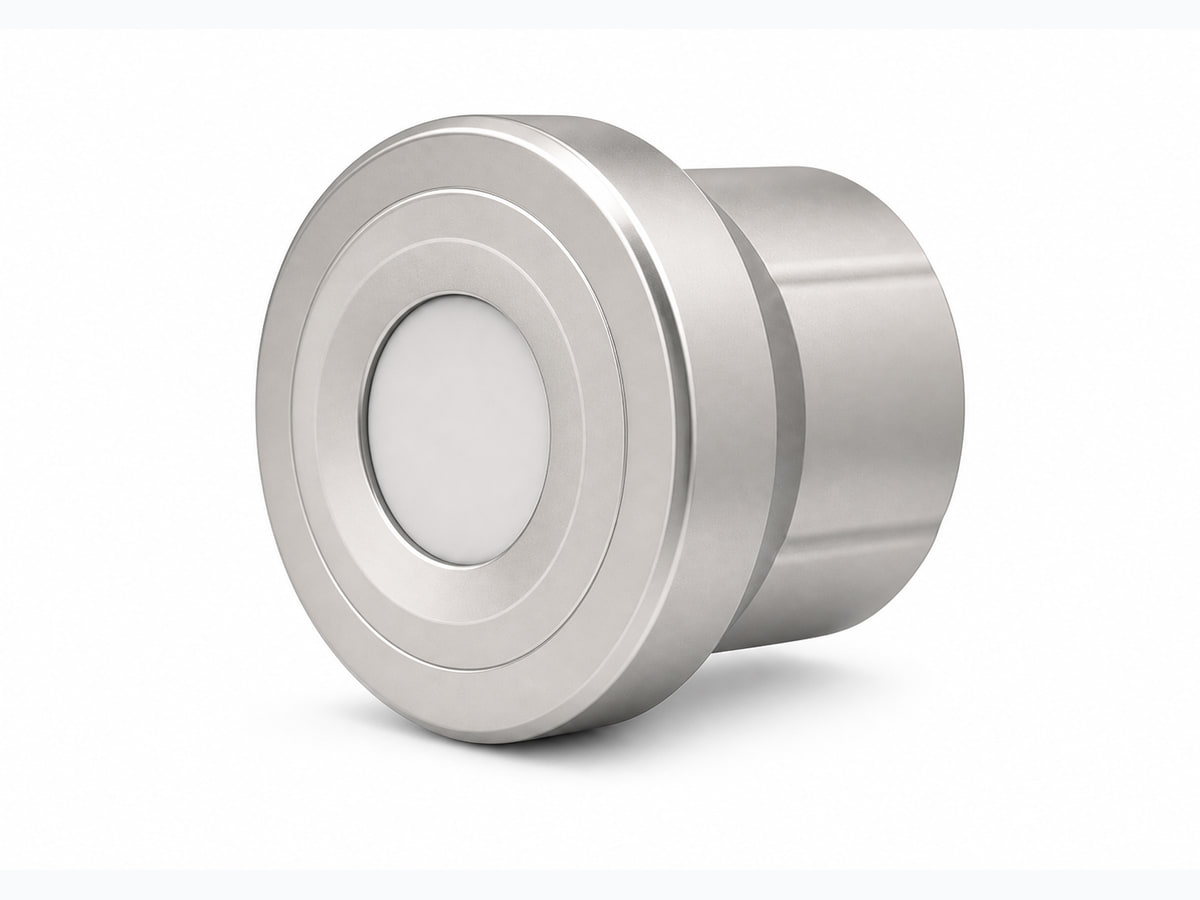
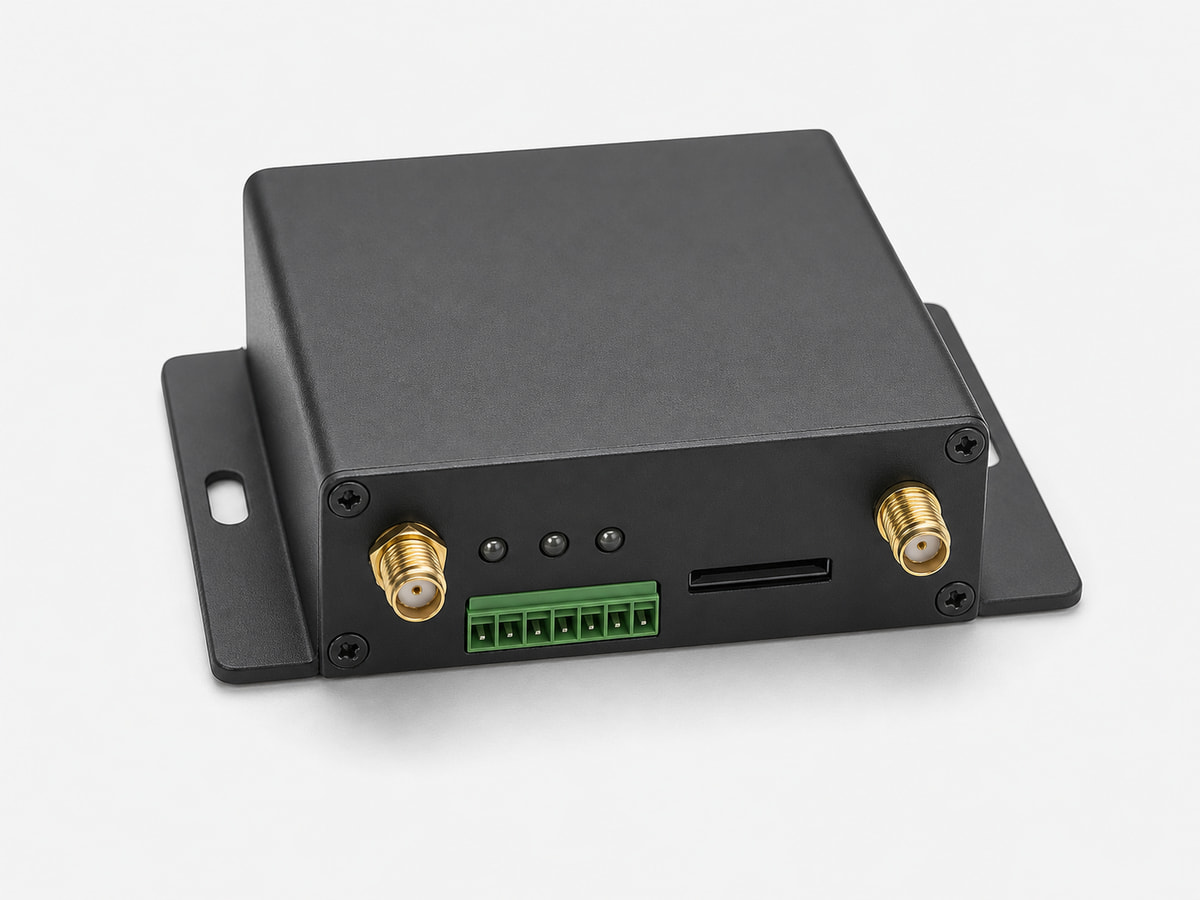
What to send
How many tanks or pump houses, and whether the cabinets already have mains.
What must be known: level, pump run, fault, or an existing flow or pressure transmitter.
Related equipment
Representative product-family images. Confirm interfaces and accessories for the ordered model.
Send the irrigation sites.
Common questions
Can you monitor a farm irrigation tank that already has a powered cabinet?
Review the level-sensor output, any documented pump-status inputs, cabinet supply and receiving system. Select compatible acquisition equipment and verify the local and remote readings during the agreed pilot.
What if the pump house has no mains power?
See agri.sungenegroup.com for battery and solar configurations. The power budget depends on the instruments, reporting interval and available charging.