Agricultural IoT solutions & system integration
Connect existing farm sensors, pump signals and greenhouse data
Use documented instruments and approved panel signals to plan monitoring for powered irrigation sites, farm equipment and greenhouse zones.
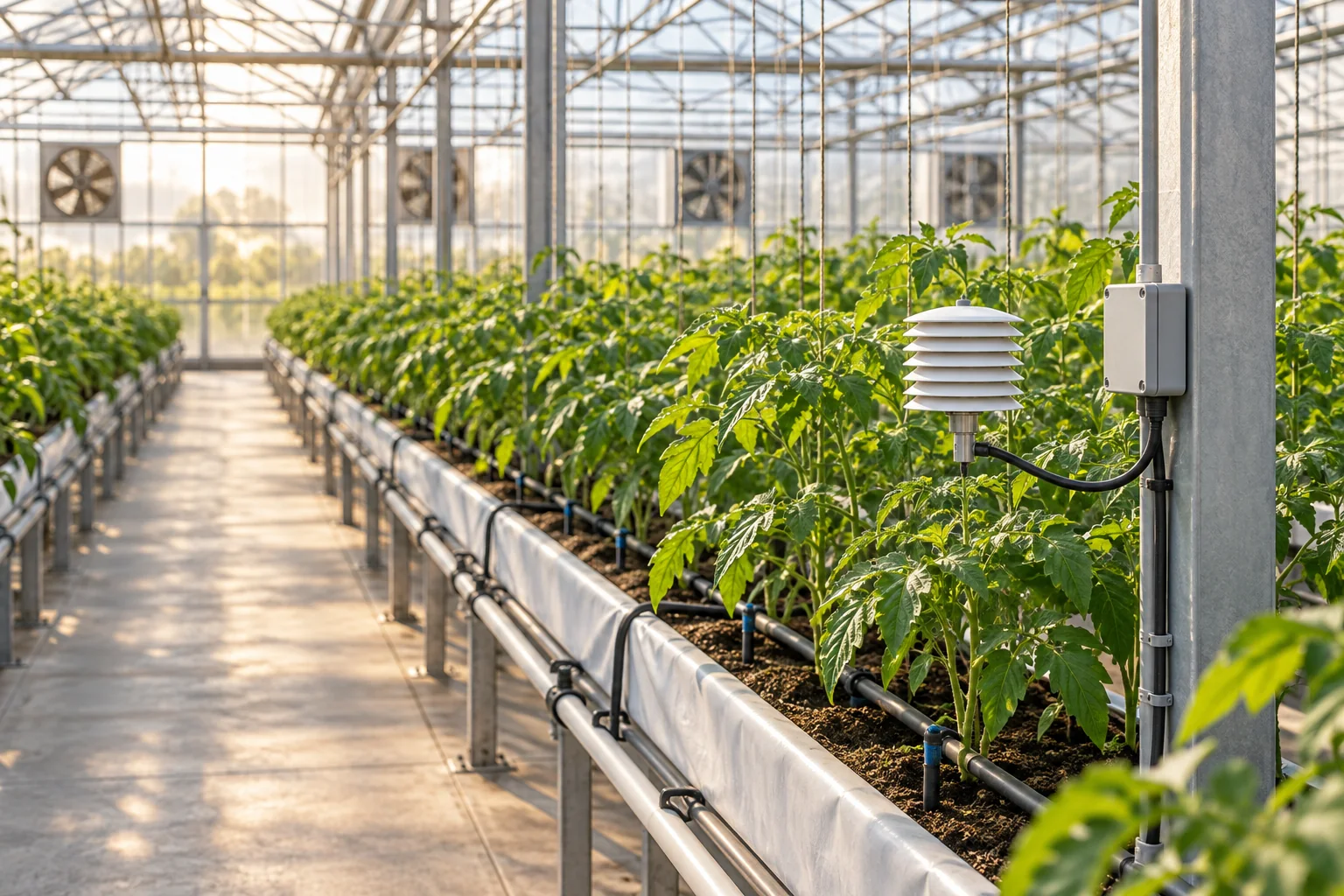
Connect existing equipment in three decisions
- 1
Identify the available signals
Use the installed instrument documents and the panel owner’s approved read-only connection.
- 2
Map the data
Keep addresses, units, state meanings, point identity and observation time with the readings.
- 3
Agree the operating handover
Define the receiving account, missing-data response, configuration records and local installation work.
Choose the installed equipment
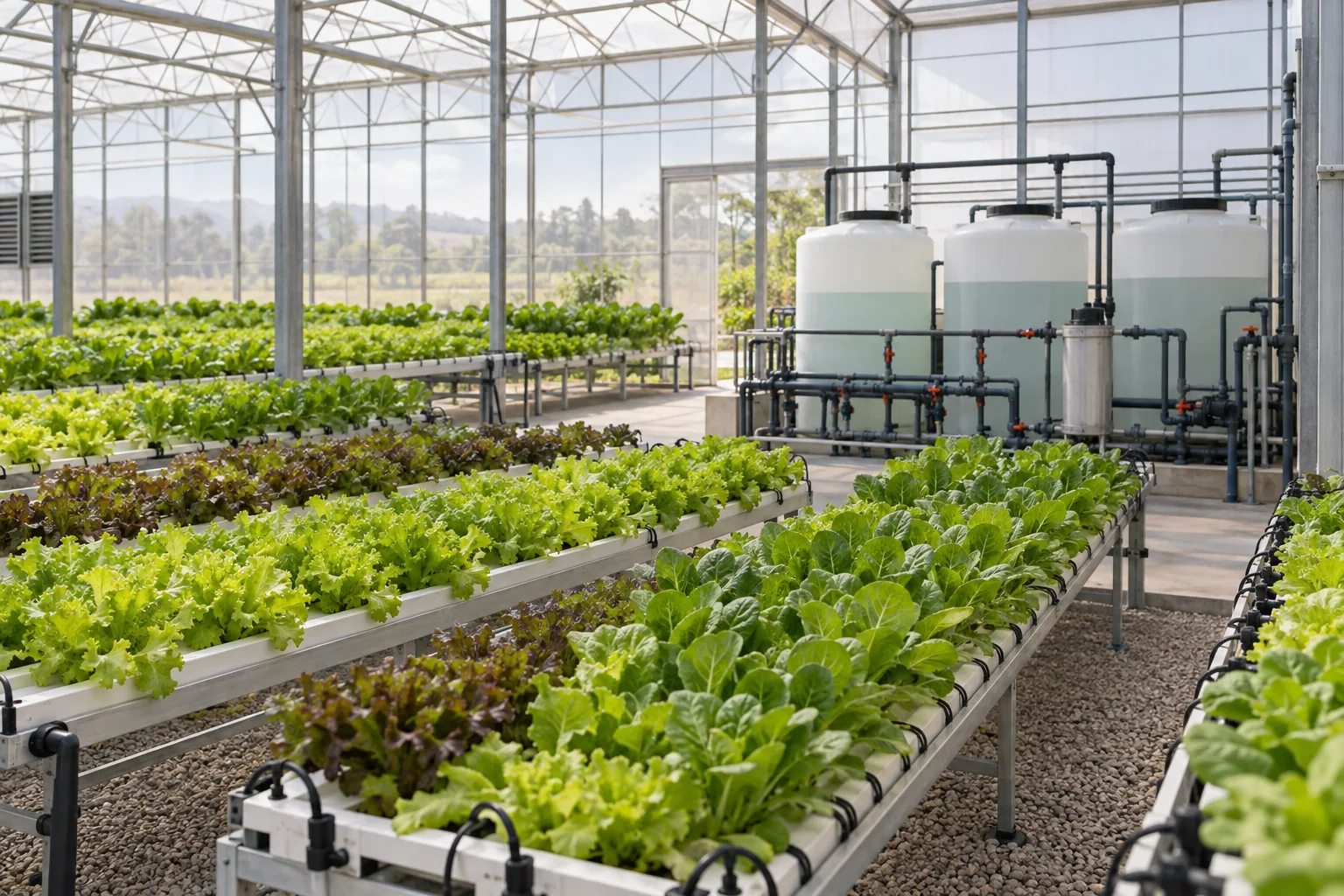
Greenhouse zones and irrigation data
Illustrative greenhouse layout. Map the existing sensors, growing zones and controller access.
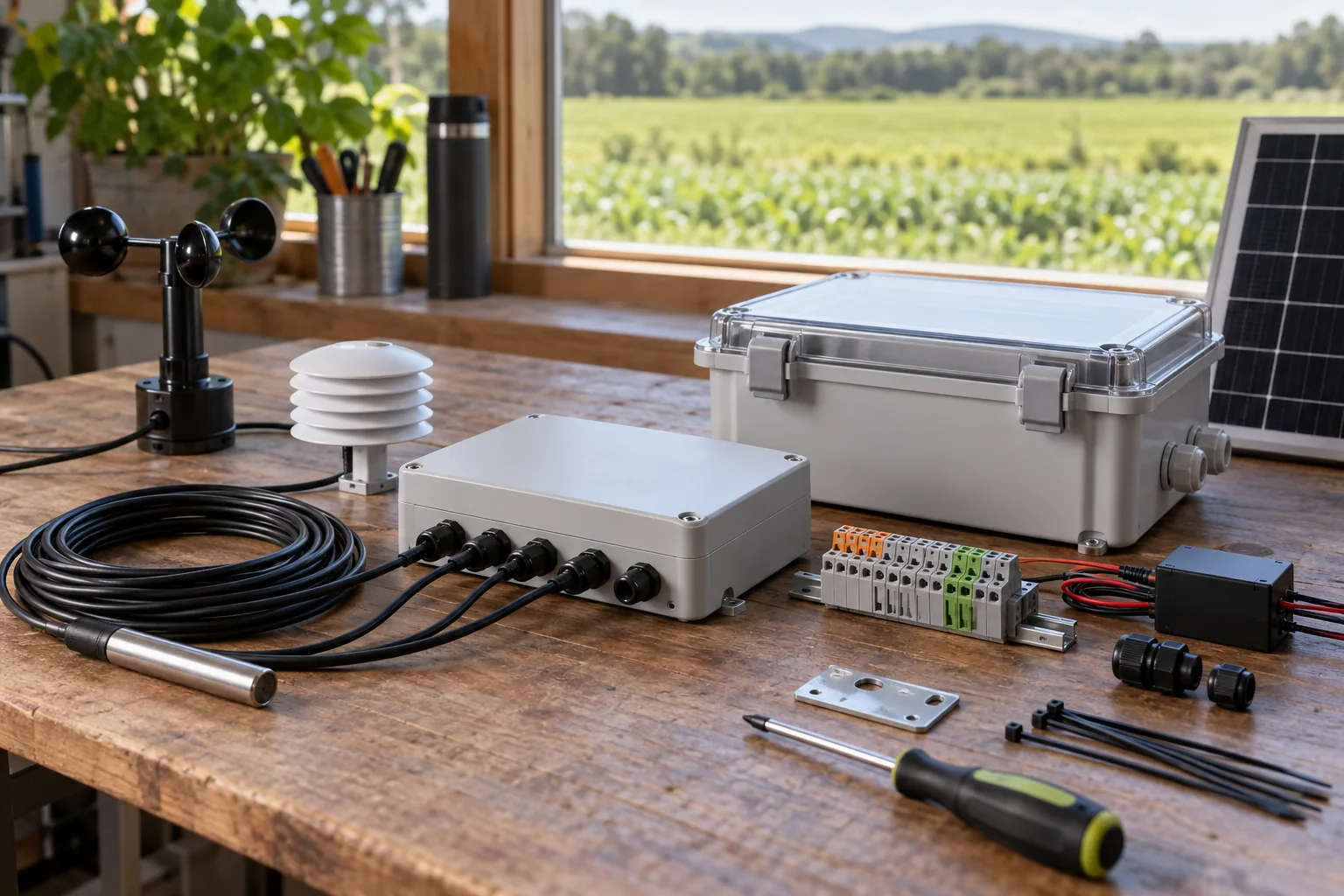
Farm pumps and equipment signals
Illustrative review workspace. Separate run, fault, electrical measurements and commands.
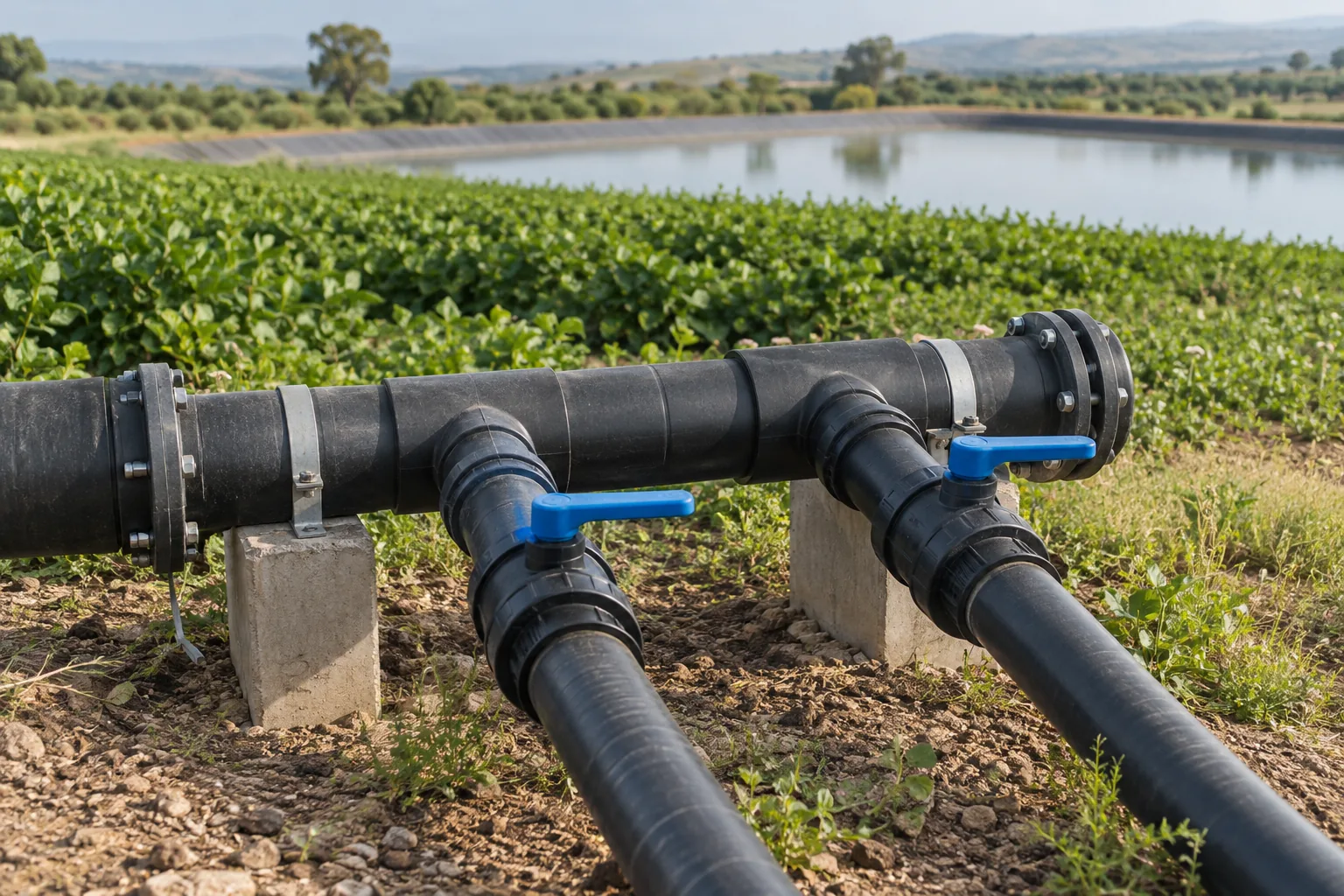
Tank and irrigation measurements
Illustrative water-distribution layout. Select level, flow or status for the operating question.
Equipment selection, farm projects and technical support
Plan an agricultural project
Define the field need, equipment and integration scope.
Choose or replace equipment
Check interfaces, power and configuration for a device.
Improve an existing system
Get help with readings, connections, power or expansion.
Water, soil and weather monitoring applications
Greenhouse growing zones
Map the growing zones, documented equipment outputs and receiving platform before replacing working instruments.
Irrigation rooms and water storage
Use an existing powered cabinet to collect the water and pump signals that operators need between visits.
Farm weather and rainfall
Reuse the available supply where suitable and match the instruments, logger inputs and receiving data period.
Farm pump and equipment monitoring
Pumps, drying and facility energy
Choose the signal that answers the operating question while keeping existing machine control and protection with the approved system.
Equipment planning and a field trial
- A site/zone and signal map with the existing equipment identified.
- A proposed data path and interface list, with platform access and responsibilities recorded.
- A defined pilot, data-readback checks and maintenance handover agreed before installation.
Conditions to confirm
- A monitoring connection does not authorize remote control of irrigation, dosing or ventilation.
- Existing platform and network access must be available from the owner; licensed services are confirmed separately.
- Calibration and sensor placement remain part of the site-specific scope.
Discuss agricultural facilities and data.
A work email helps, but is not required. Unknown quantity is fine. A cabinet, panel or site photo is the most useful attachment.
- How many tanks, pumps or cabinets.
- What you cannot see from the office today.
- Whether the cabinet already has power.
- Where the reading should arrive, if you know.
You can also email contact@sungeneiot.com. Same company as sungeneiot.com.
Equipment and service documents
Remote site applications
Compare water measurements, pump-panel signals, greenhouse data and the path into your existing monitoring service.
Remote-site hardware families
Match the installed sensor or panel output to RTU, remote I/O or gateway inputs and the receiving data service.
About SunGene Industrial
SunGene Co., Ltd. reviews existing equipment, supplies compatible field hardware and agrees data integration and support.
Field scenarios for powered remote sites
Review the readings, interfaces and checks for a tank or a pump station with equipment already installed.
Industry paths for powered remote sites
Keep field point records, maintenance and the receiving-system responsibilities clear across several powered sites.