Connect nearby farm measurement points through LoRaWAN
Compare the field nodes, regional radio plan, gateway position and receiving network for a cluster of tanks or wells.
Check the complete path from the sensor to the application
| Choice | What to compare | What to check |
|---|---|---|
| Sensor and field node | Native LoRaWAN instrument or a compatible node for a wired sensor | A wired probe alone cannot join the radio network |
| Radio path | Regional frequency plan, antenna placement and field coverage | Check terrain and obstacles with a site sketch and pilot |
| Gateway backhaul | Power and an available network connection | Confirm service ownership and outage behaviour |
| Data destination | Network server, decoder and farm application | Verify point identity, unit and observation time after decoding |
Useful for this connection
Review the gateway and sensor path
Compare field-node interfaces, backhaul and the network-server role.
What to send
How spread out the points are, and whether you already run a network server.
What each point must report.
Related equipment
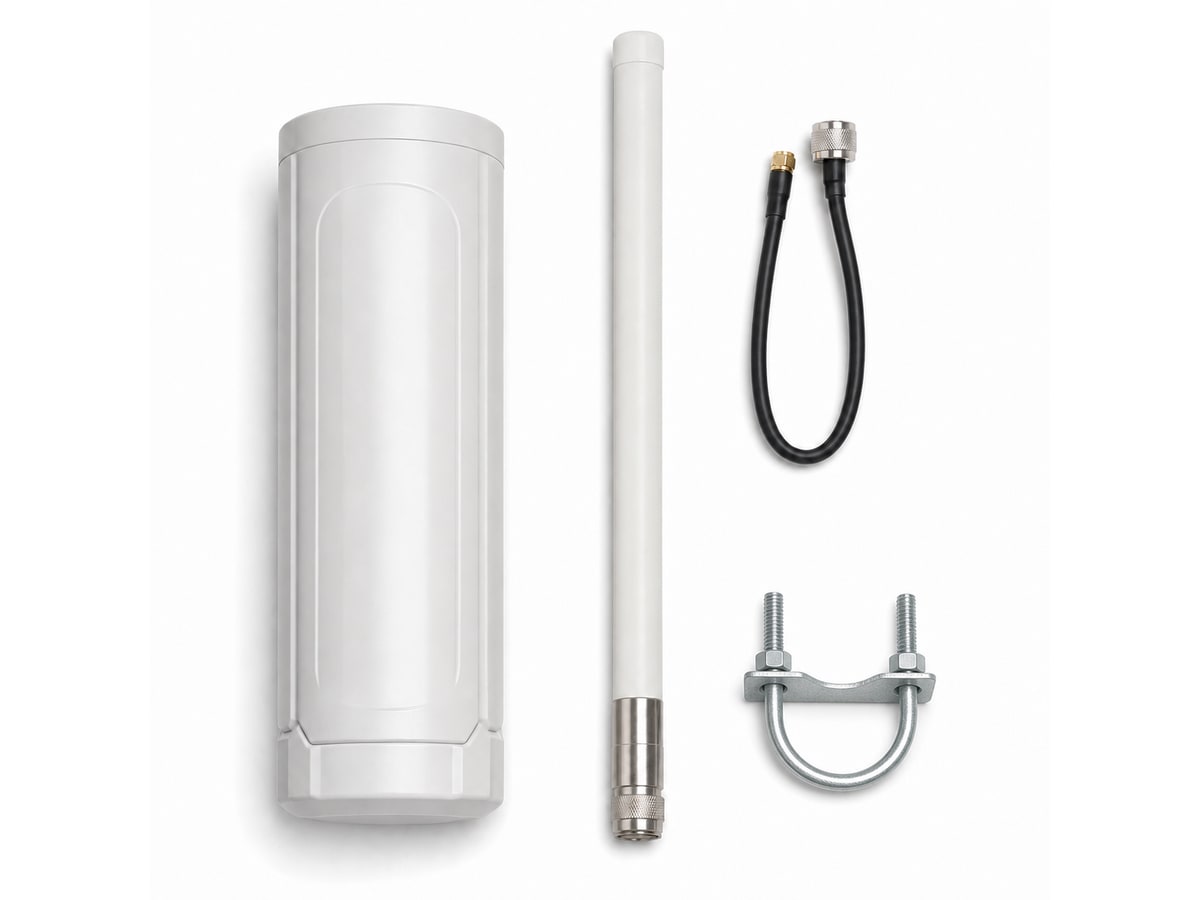
Representative product-family images. Confirm interfaces and accessories for the ordered model.
Send the cluster.
Common questions
Can one outdoor LoRaWAN gateway cover several farm or utility tanks?
Coverage depends on the regional frequency plan, terrain, obstacles and antenna positions. Use the point locations and a site pilot to check reception and delivery at each tank, along with gateway power and backhaul.