Design example: monitor a tank with cabinet power
Select the level installation, local signals and receiving system for a tank that is not continuously attended.
What should the pilot prove at this water point?
| Choice | What to compare | What to check |
|---|---|---|
| Level record | Reference, unit and agreement with the local check | Confirm installation and measuring range |
| Low or high level | Defined meaning, recipient and response | Agree whether an independent local protection signal is required |
| Connection failure | Missing-data indication and supported resumed reporting | Check the actual device/platform behaviour |
| Operator handover | Point identity, records and configuration access | Show the agreed check and replacement procedure |
Useful for this connection
Choose a level sensor and connection
Use the main tank guide for mounting and measurement options.
Agree the acceptance question
Define what the pilot must demonstrate before expansion.
Equipment options for this application
Representative product-family photos. View specifications on sungeneiot.com; the quotation identifies the selected model.
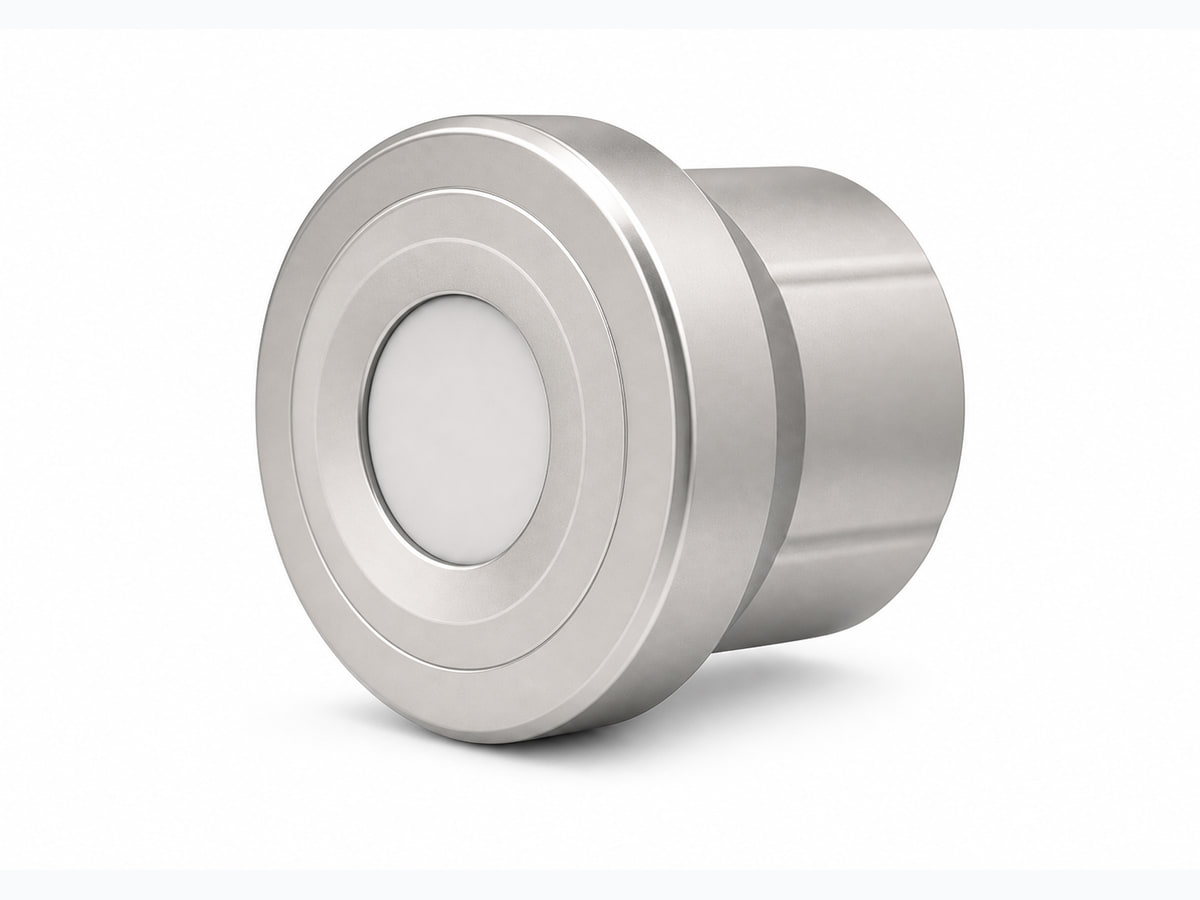
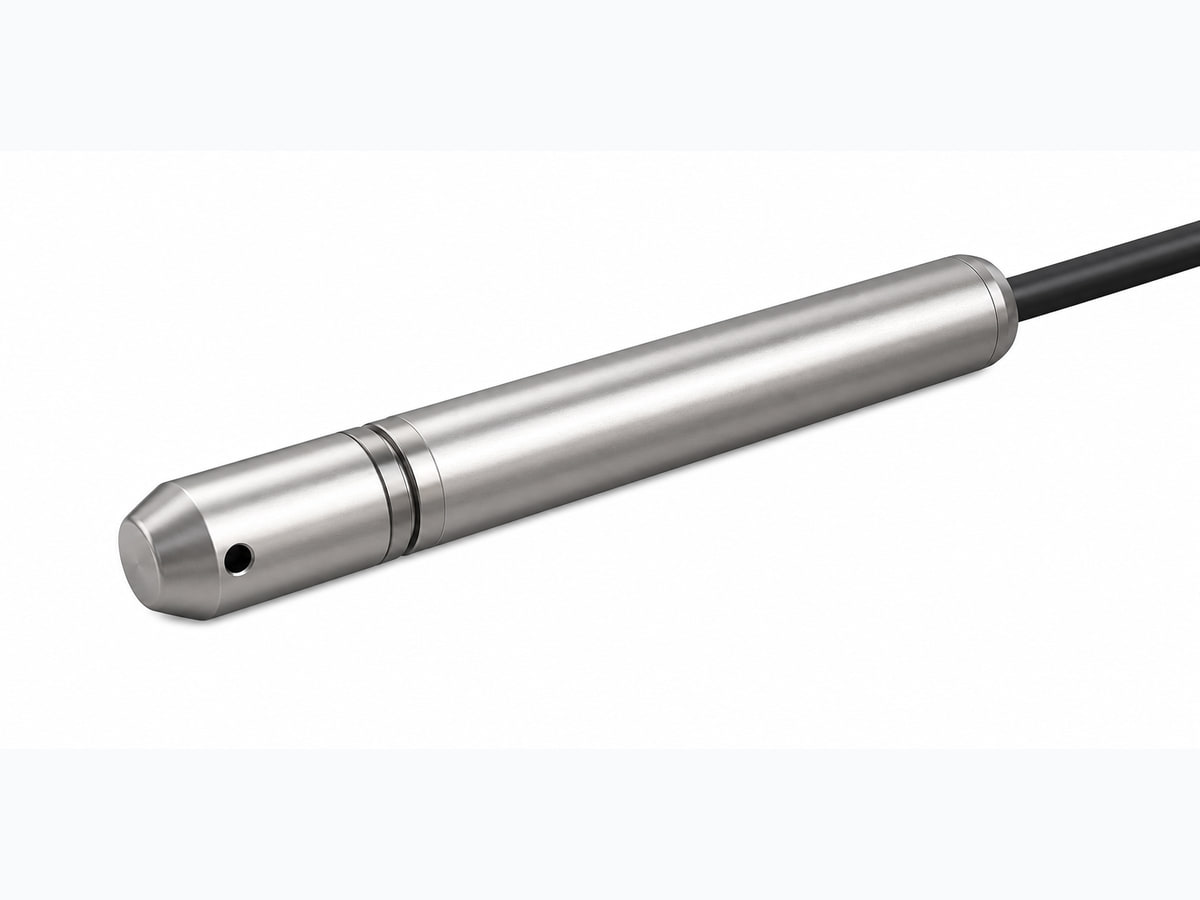
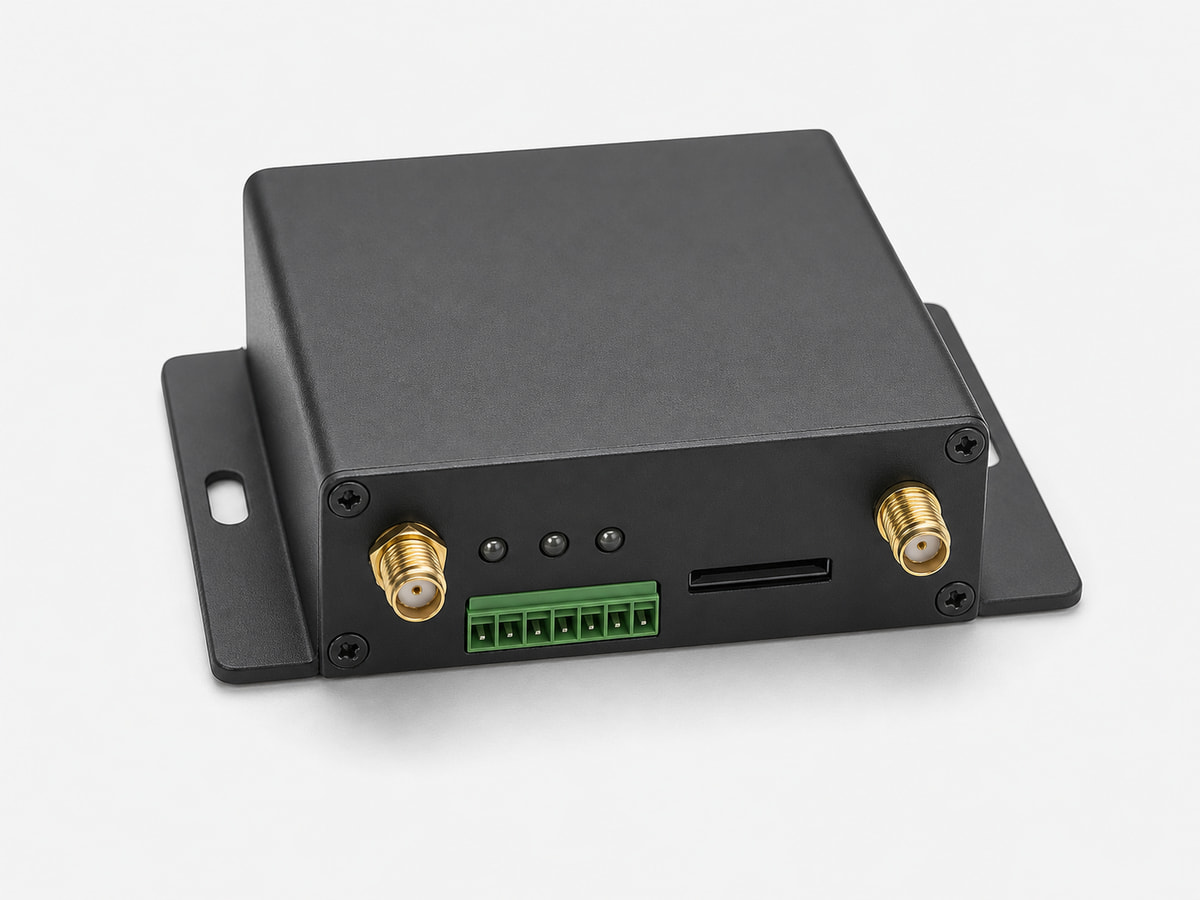
What this scenario needs before a shortlist
- Tank height, liquid type and a photo of the roof or stilling tube.
- Whether overflow must be independent of the continuous reading.
- Destination system: SCADA, MQTT broker or not yet selected.
- How many tanks in the first sample versus the later fleet.
Technical references
Check the official protocol and radio specifications alongside the selected model’s documents and applicable certificates.
Send the tanks.
Common questions
What should be checked before installing this tank setup?
Confirm tank geometry, liquid, sensor mounting, cabinet supply and the receiving data interface. Agree the level reference, independent protection, missing-data response and pilot checks with the site team.
Can LoRaWAN water tank monitoring replace the 4G RTU?
LoRaWAN may suit nearby tanks that can share a gateway. A cabinet with several wired signals may suit a 4G RTU. Compare tank spacing, cabinet inputs and the available network before choosing the equipment.