Manage monitoring and maintenance across irrigation sites
Keep the water-point records, maintenance responsibility and operator response consistent across powered pump houses and tanks.
What does an irrigation operator need across several sites?
| Choice | What to compare | What to check |
|---|---|---|
| Site inventory | Named tanks, pumps and measurement points | Record the power, access and equipment at each site |
| Operating view | Level, pump state and any agreed delivery measurement | Keep the signal meaning, unit and observation time |
| Response | Water warning or loss of fresh data | Name the operator and local response procedure |
| Maintenance | Sensor checks, settings and replacement records | Keep the local team and platform owner in the handover |
Useful for this connection
Agree the receiving-platform handover
Check account access, records and replacements with the operator.
Equipment for these sites
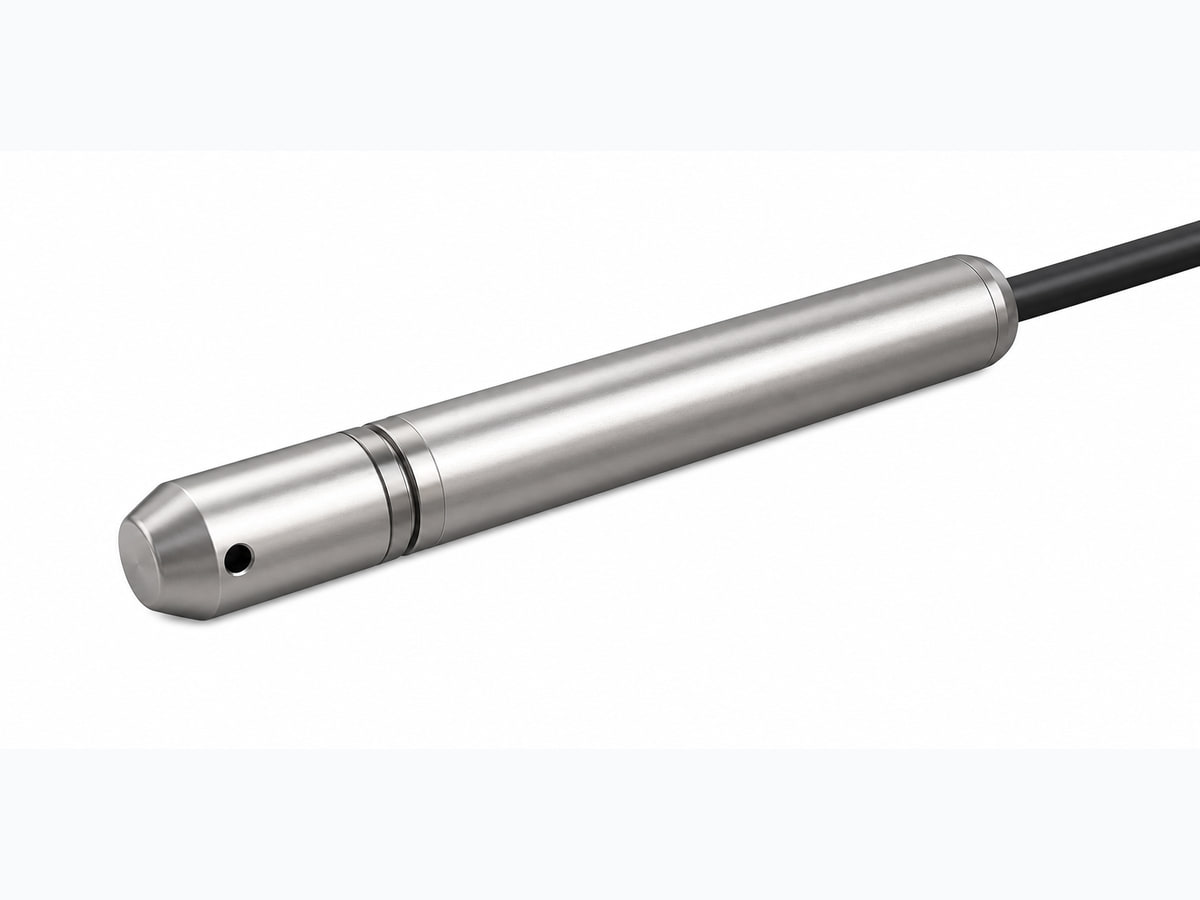
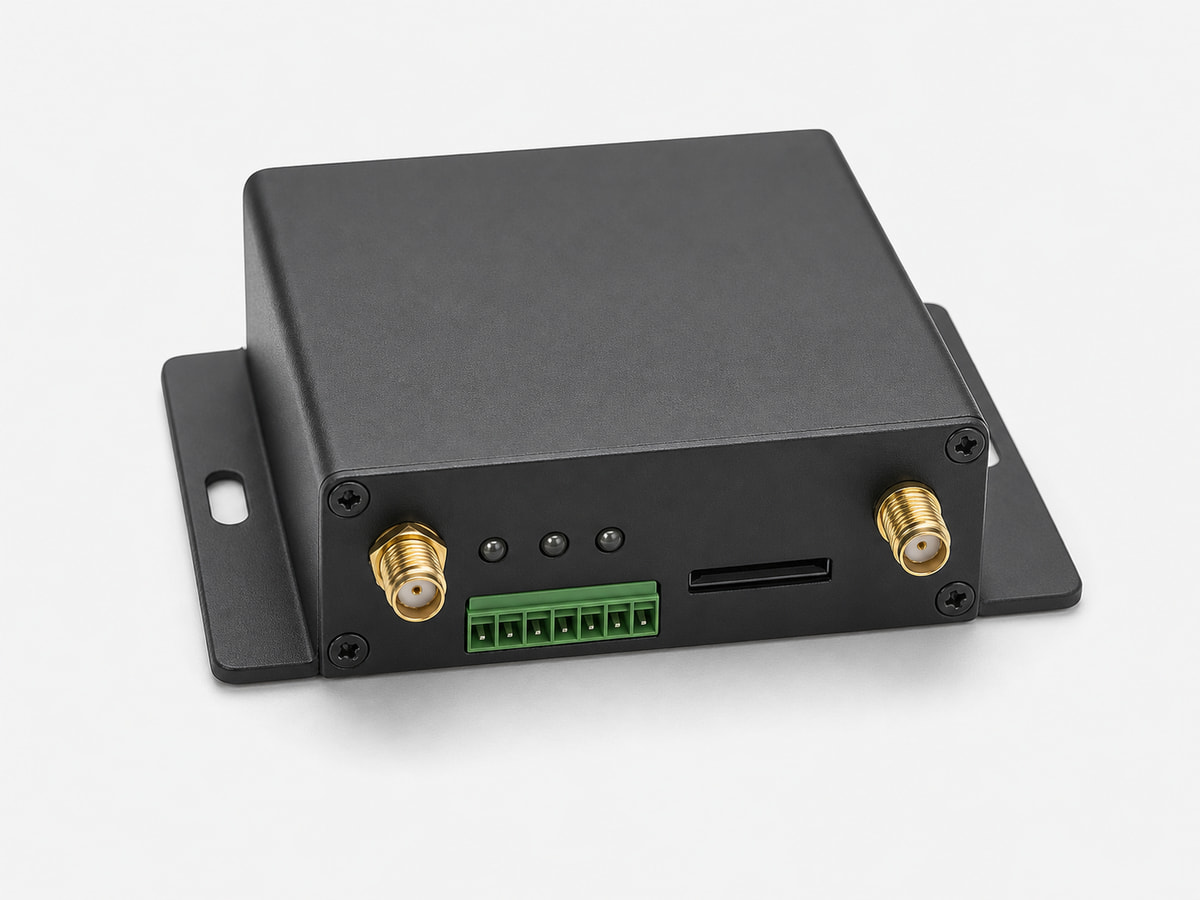
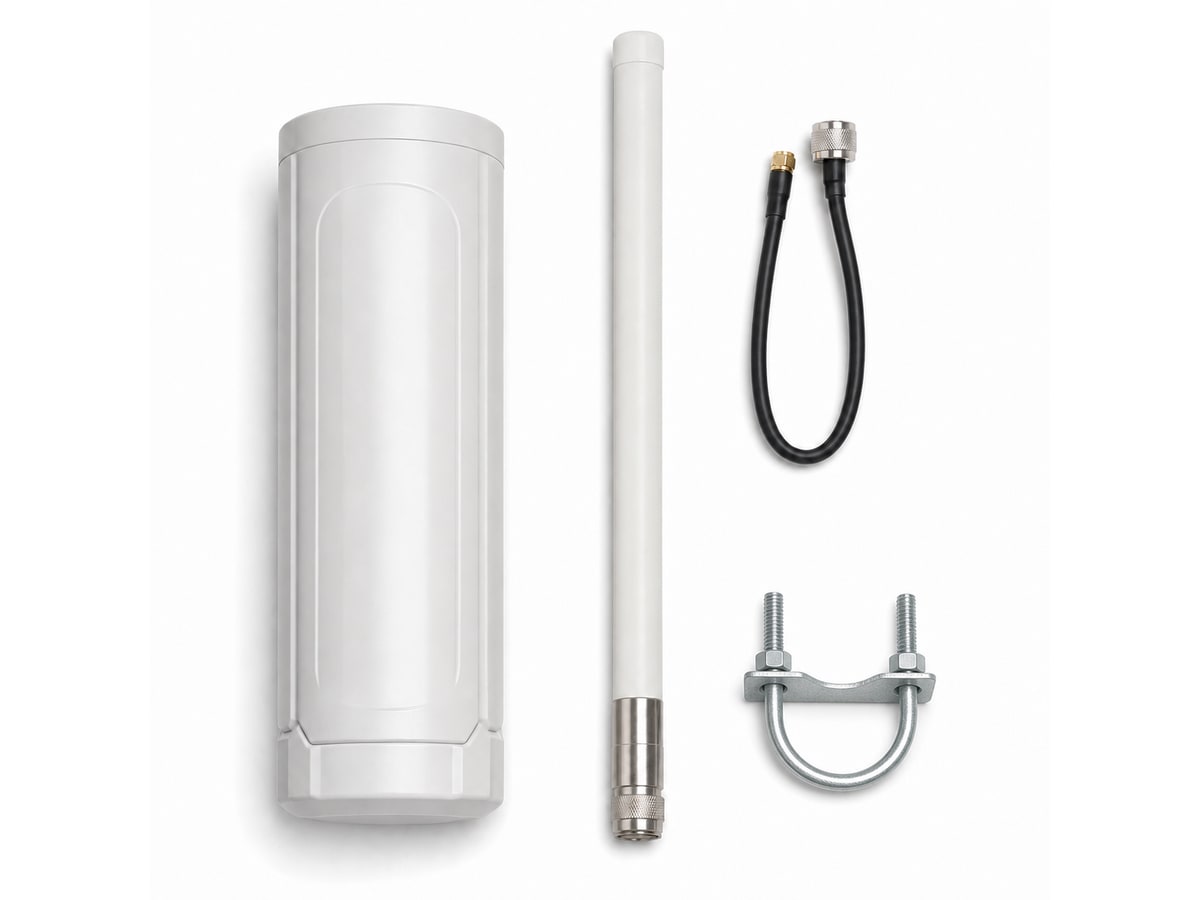
Representative product-family photos. View specifications on sungeneiot.com; the quotation identifies the selected model.
Typical signals
- Tank or canal level.
- Pump run and fault.
- Optional flow or pressure if a transmitter is already there.
Related field pages
Irrigation application
Use an existing powered cabinet to collect the water and pump signals that operators need between visits.
Water utilities
Review the powered tanks, basins, wells and pump stations that need documented readings between service visits.
Send the irrigation sites.
Common questions
What if the pump house has no usable mains?
Compare battery and solar monitoring configurations. Size the supply from the sensors, communication equipment, reporting interval and maintenance visits.